Named for the keeper of the hearth
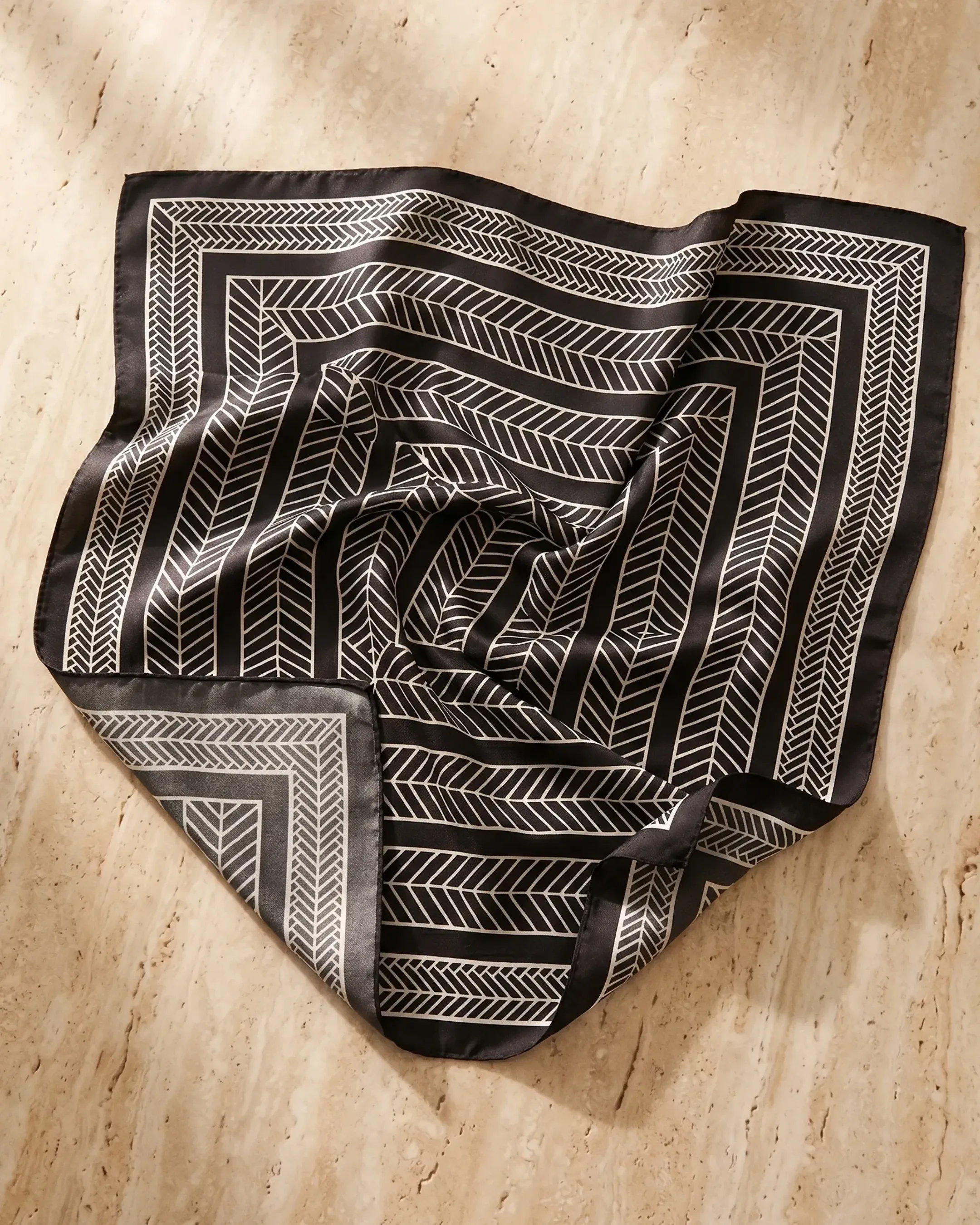
Vesta was the Roman goddess of the home and its quiet, constant fire — the small flame a household carried with it everywhere. The Vesta scarf is conceived in the same spirit: one refined piece that travels with you and finishes everything.
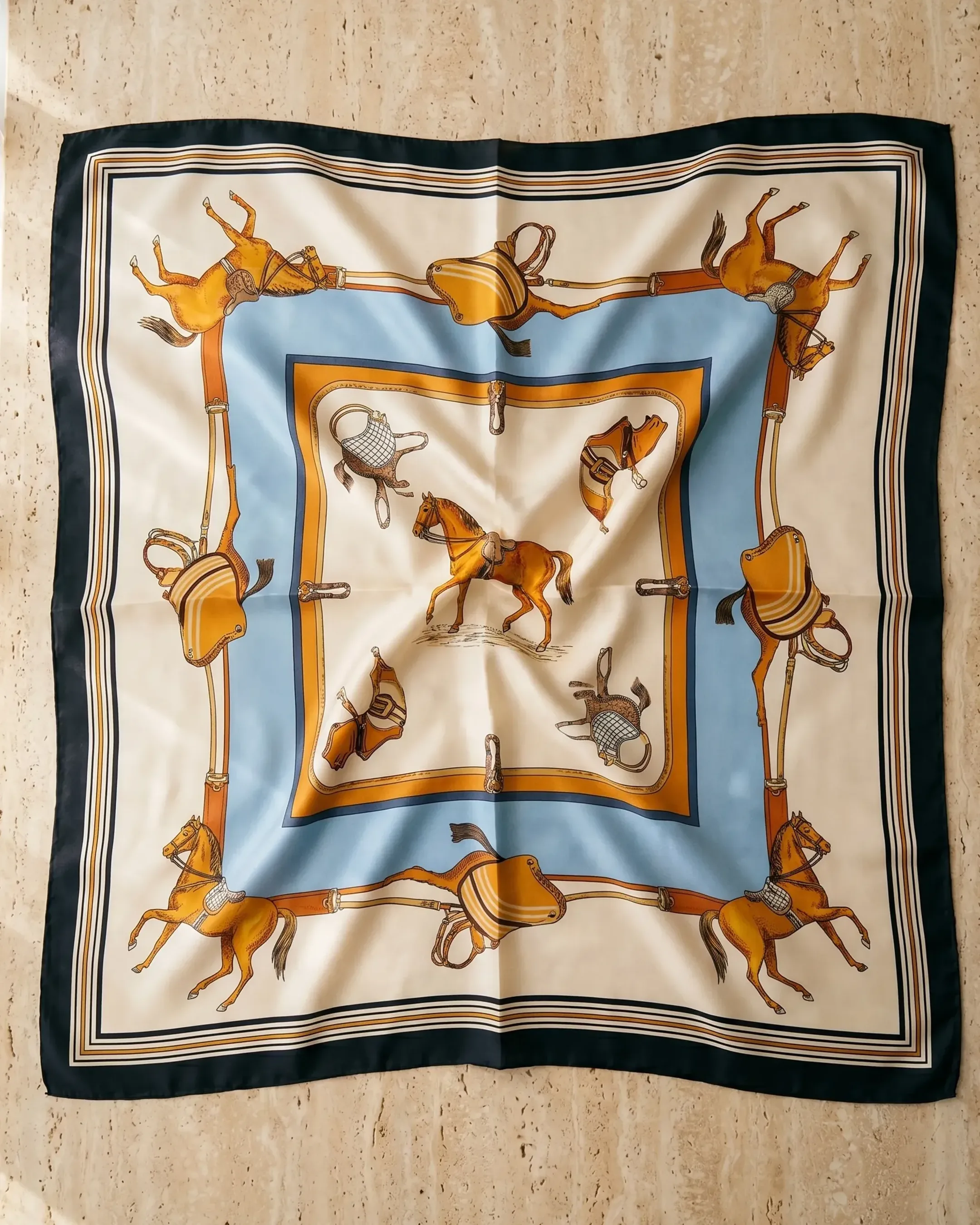
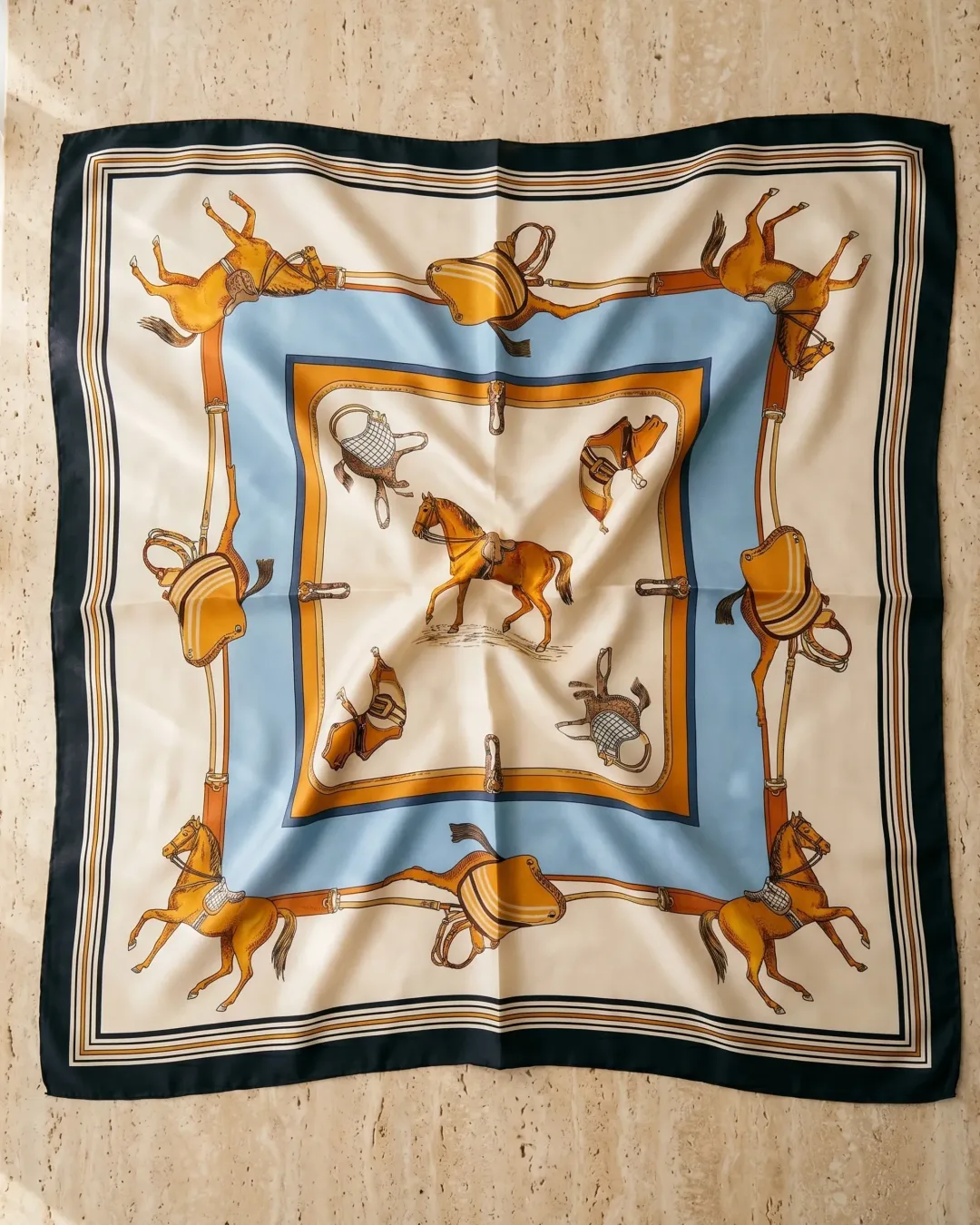
Hugo Caesar Tassi reads the classic equestrian carré through the imperial palette — a procession of golden-amber and rust horses, bridles and saddlery cantering across a soft ivory (Avorio) ground, framed by sky-blue panels and a deep navy border ruled with fine cream and amber pinstripes.
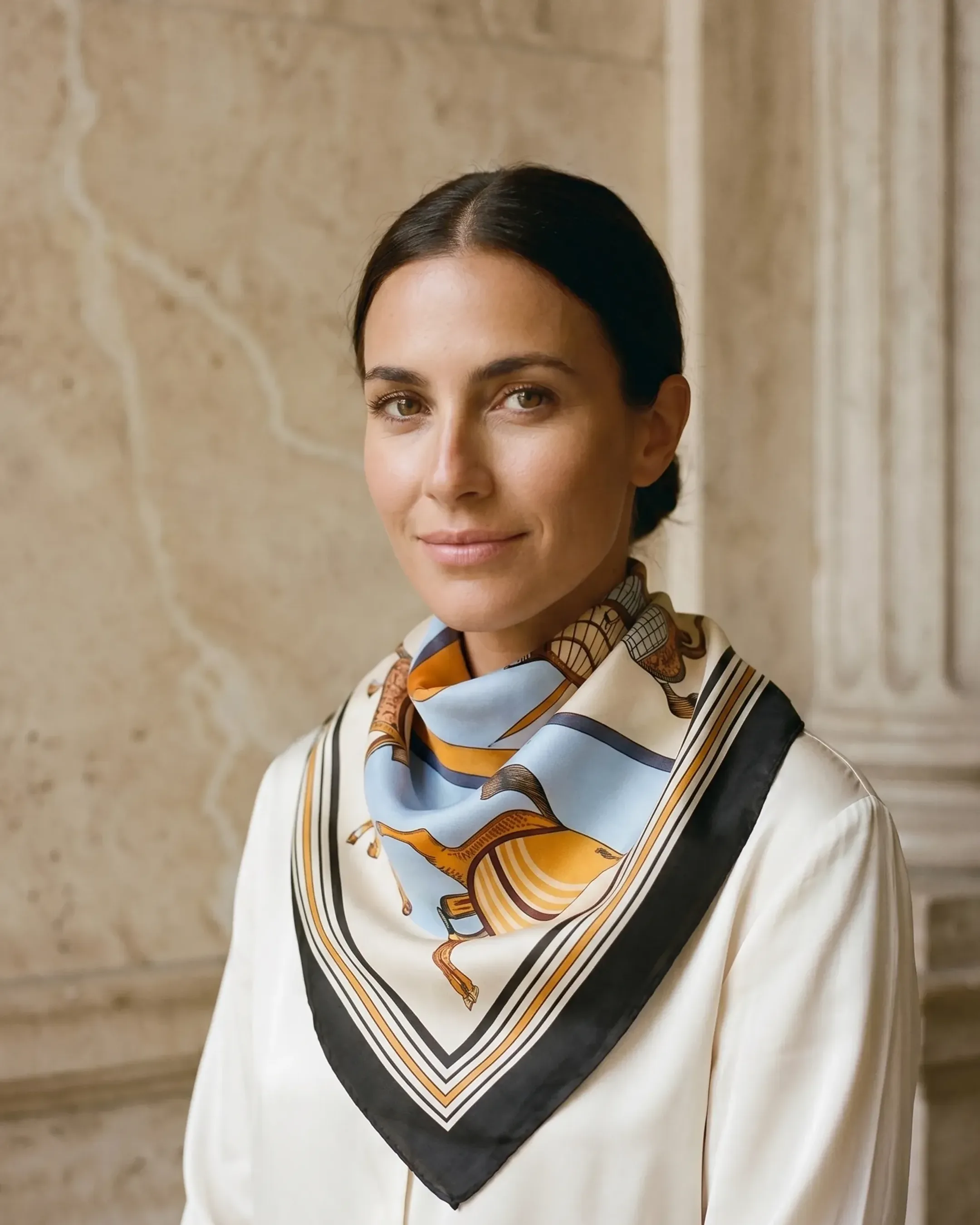
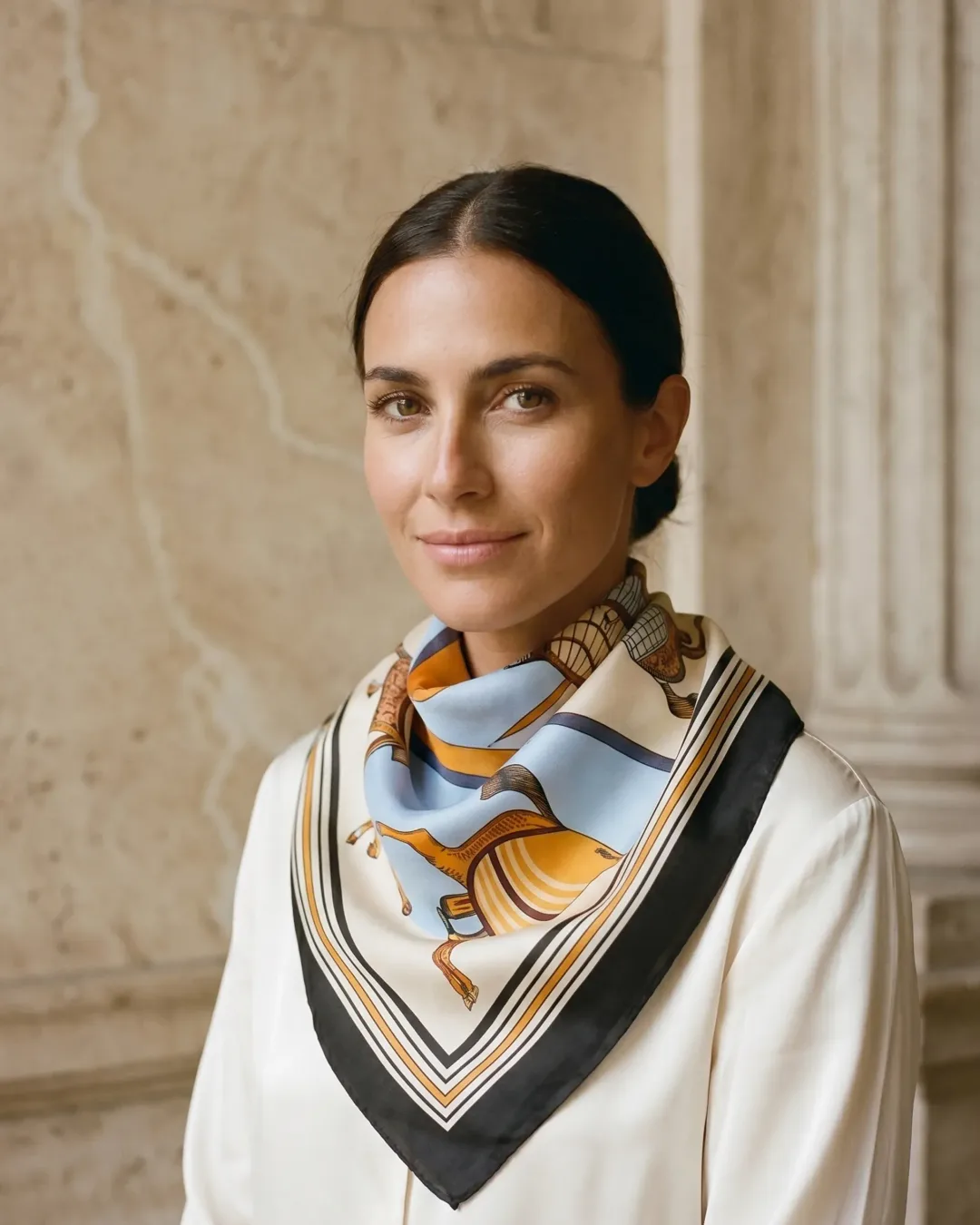
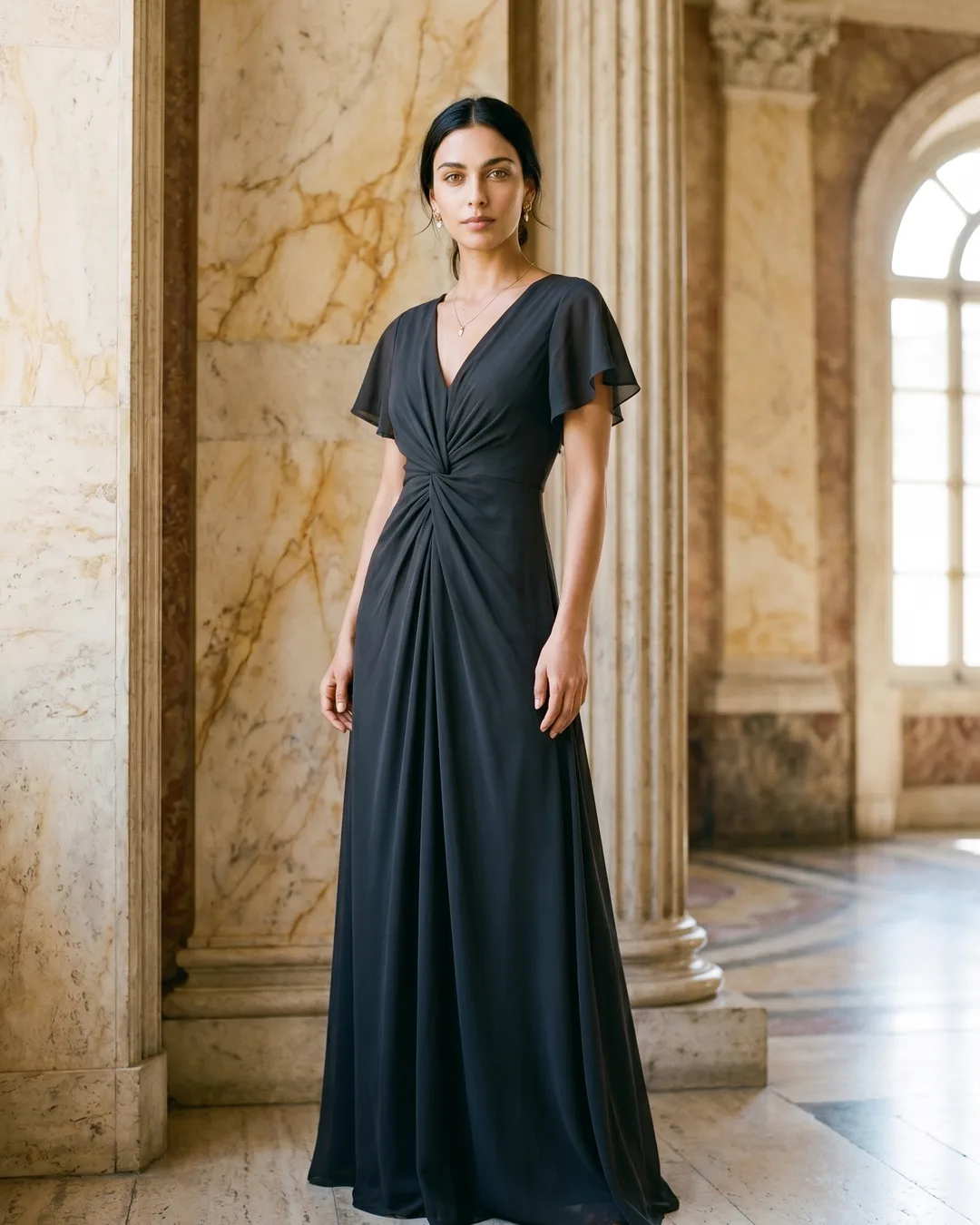
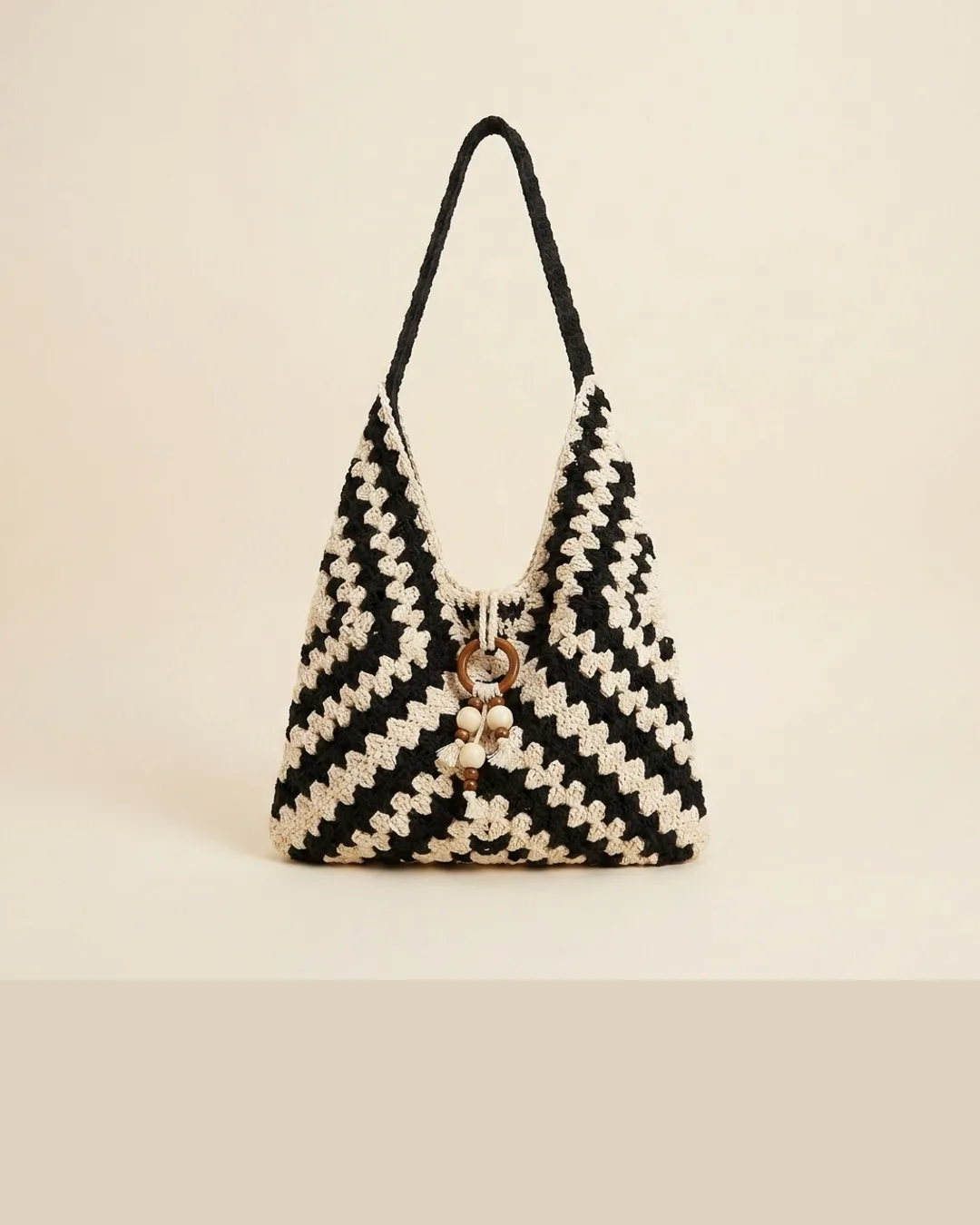
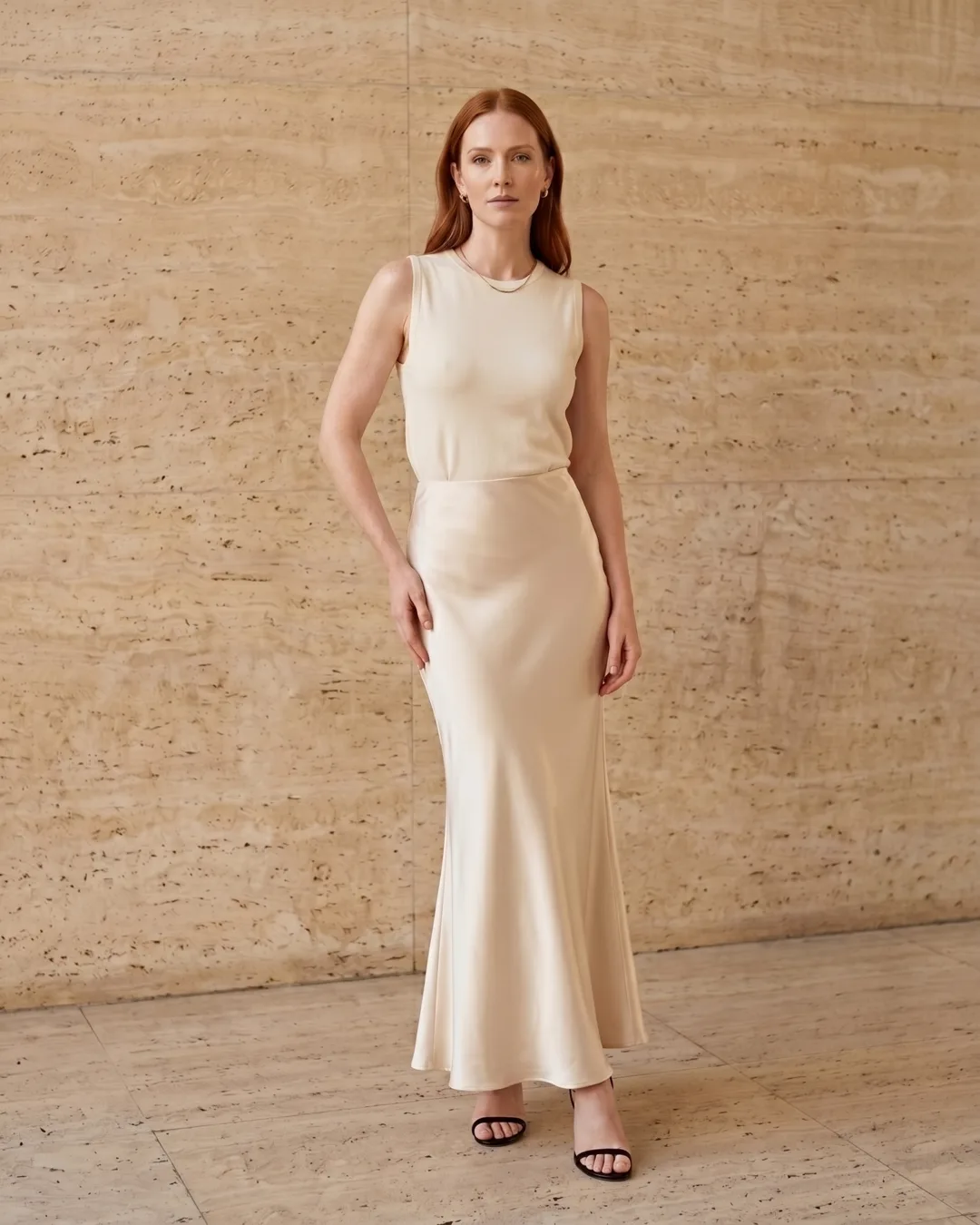
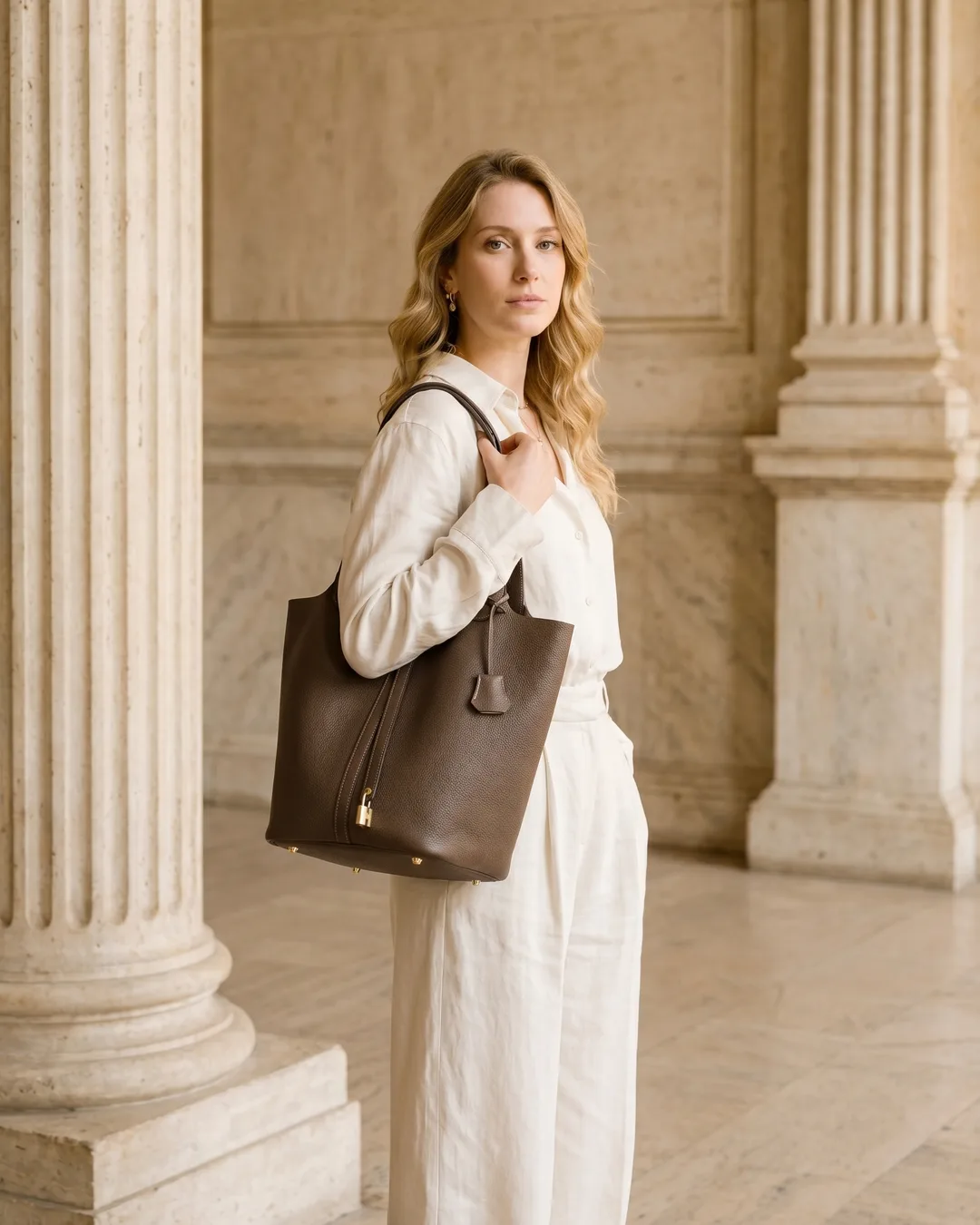
It is a print with the bearing of old Rome and the ease of a modern wardrobe: knotted at the neck over an ivory blouse, looped through a bag handle, or tied at the wrist, the Vesta is the one accessory that warms an outfit the way a hearth warms a room.
Silk-look, hand-rolled, made to be worn often
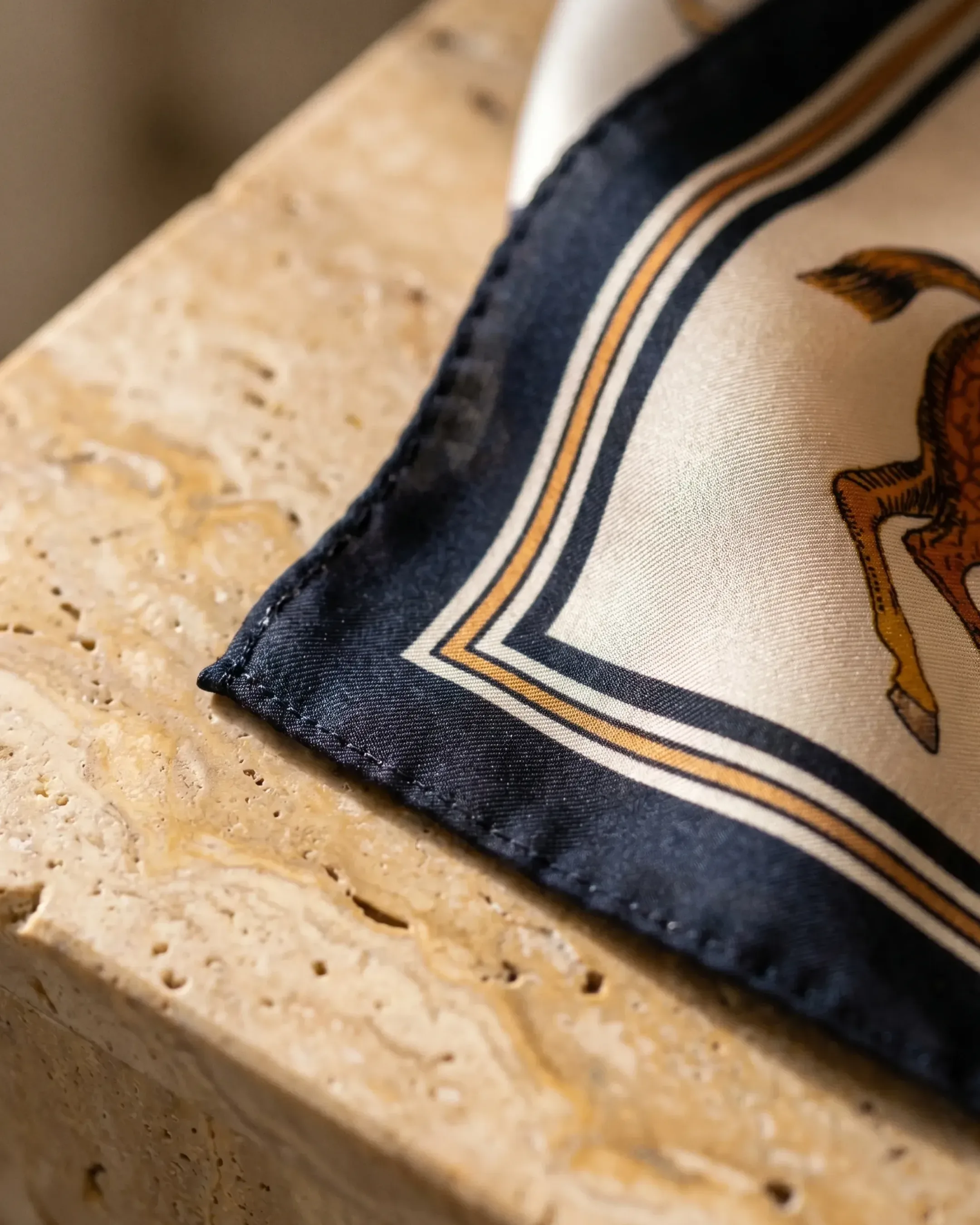
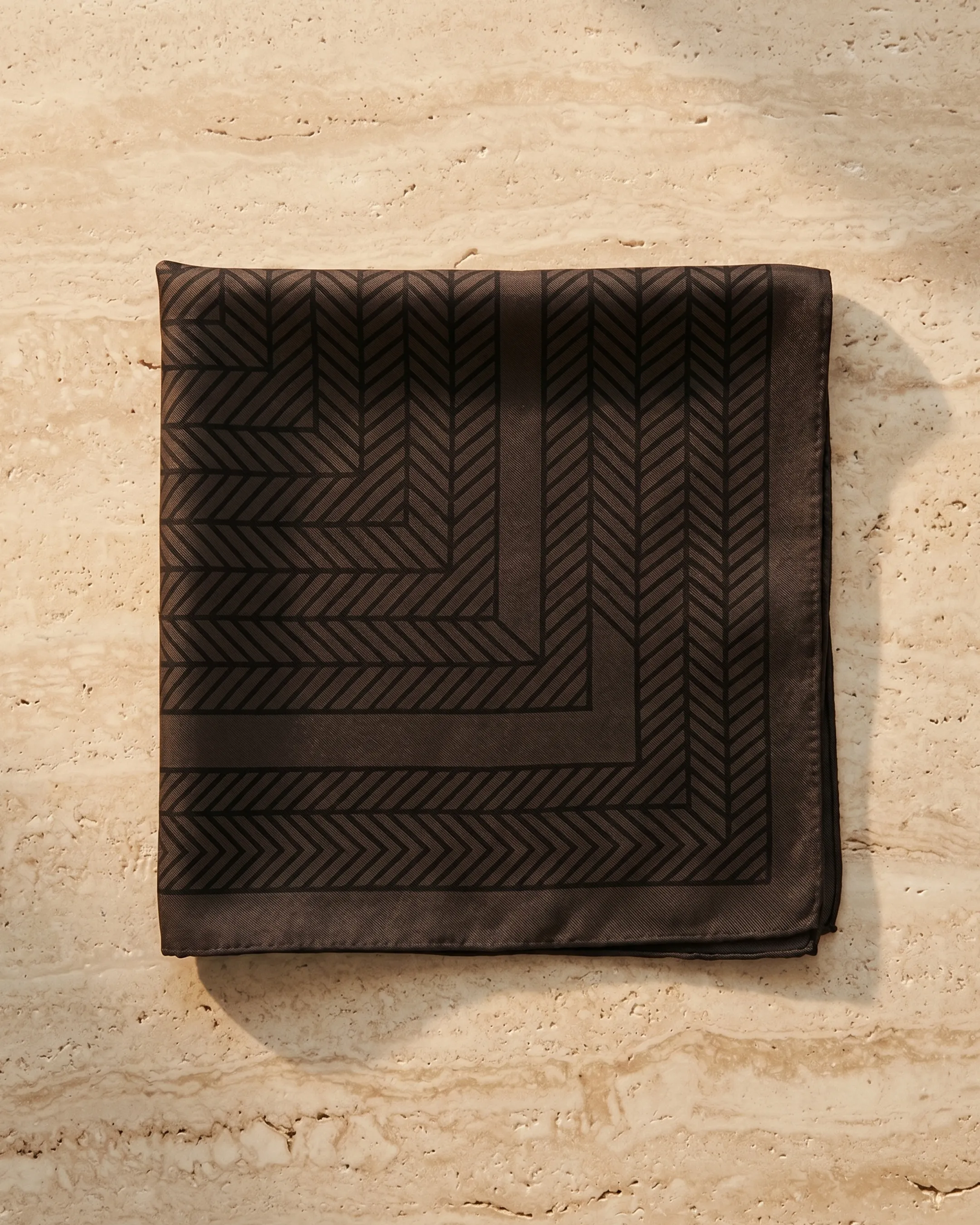
A square cut from silk-look polyester twill with a soft, fluid drape and a gentle sheen — finished with a hand-rolled edge so it knots cleanly and falls without a crease.
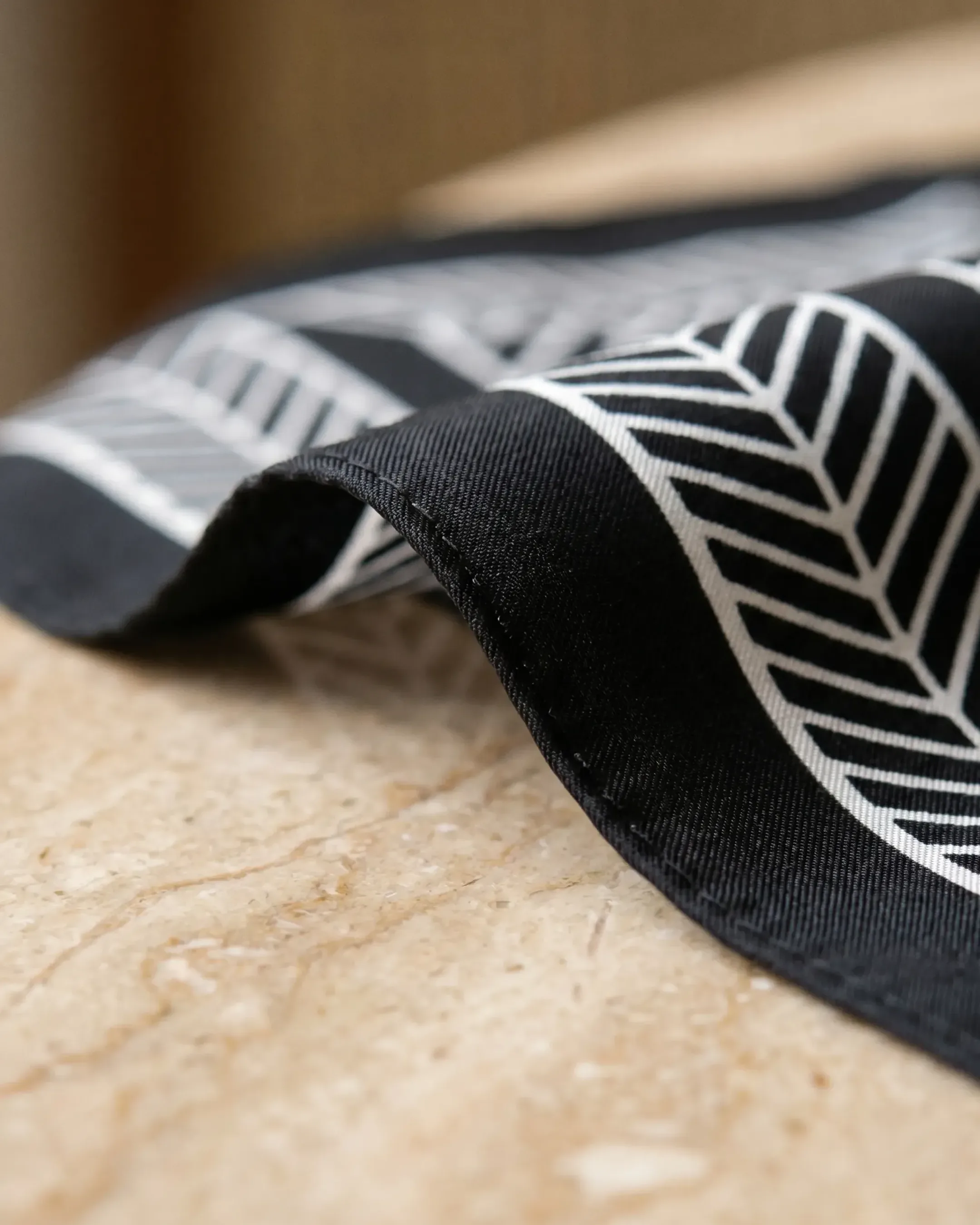
The 70 × 70 cm square is generous enough to fold into a slim neck-tie or open across the shoulders, and the twill holds a knot without slipping. The hand-rolled hem gives each edge a small, rounded weight that lets the corners hang true.
Designed in Rome as part of the Iulia edit, the Vesta is built to be reached for daily — easy to pack, simple to spot-clean, and unbothered by a life of travel, taxis and long lunches.